Showing posts with label spring. Show all posts

Tuesday, 3 March 2026

Spring Forward


One of Springs unexpected delights is the sight of Catkins, caught in sunlight, hanging in a hedgerow or dappled woodland, like golden rain. Catkins are tree flowers, commonly a Hazel tree, so later, around September there will be Hazel nuts to gather here.

Hazel Catkins 

The 2026 vernal equinox occurs on March 20, marking the start of spring in the Northern Hemisphere. Equinox means equal periods of night-time and daylight; the tilt of the earth also brings us closer to the sun. We get longer hours of warmer sunlight up until the Summer solstice. Nature adapts according to the increase in temperature and the dwindling hours of night.

Plumb Blossom

One of my favourite and most apparent signs of Spring is the sudden blossoming of Plum trees and the related Blackthorn. Plum trees in city gardens and roadsides are suddenly filled with dramatic shows of creamy white flowers. The blossom also has a distinctive smell, which reminds me of marzipan (made from almonds, and also related), you can even taste it in a plum flower. One of my long time hobbies is the Chinese martial art of Wing Chun and this name translates as "Beautiful Springtime" and the plum blossom is a related symbol. The key thing with plum blossom is remembering where it is, plums in many varieties and colours could be there later in the season. Blackthorn, which is more common in countryside hedgerows, will supply us with Sloes later in Autumn, allowing us to prepare everyone's favourite Xmas liquor, Sloe Gin.


Magnolia Blossom

Another tree that flowers in urban gardens at this time of year, is the stunning Magnolia, their big blousy flowers are showy but also eminently edible, giving a distinctive tase of ginger. There are lots of different Magnolia recipes including various teas and biscuits.


Ransoms

Less showy but just as tasty plants that appear in abundance in Spring include Wild Garlic and Ransoms, which you normally smell before you see them, typically covering woodland banks or in damp hedges the leaves and flowers can be used in many cooking applications including salads, pesto or just for added flavour in a meal.


Alexanders

Alexanders are an often missed Spring hedgerow gem. Tasting akin and related to the carrot family, it has edible leaves and flowers. The delicious flowers can be fried in batter, the leaves can be fried in butter with wild garlic, a tasty supplement to any meal. A word of caution, you need to be very careful with plant identification, if you are unsure, don't pick it. Several very common but extremely poisonous plants (Hemlock and water Hemlock Dropwort spring to mind), can look very similar to the untrained eye. I spent a year observing the differences, through the seasons, before venturing into eating these plants.


Beautiful Springtime


Wednesday, 4 February 2026

The Regeneration Game


Every year (normally at the back of January/February), after I realise the days have got a little bit longer, there comes a day when I feel the warmth of the sunshine on my face. This year I happened to be sitting on a Barbra Hepworth sculpture, eating my lunch. There was a break in the clouds, the sun had clambered high enough to heat my skin.


At moments like these, I sometimes reflect on our distant ancestors worshiping that golden orb and ponder why they dragged those monolithic rocks across the countryside, to create calendars on their landscapes. We cannot understand their mindset, which is part of the beauty and mystery of these unknowable monuments. However, with careful observation we can see a natural calendar in the seasons of plants, trees and weather.


The ground was muddy and saturated du to recent heavy rainstorms. I had noticed that crocuses had flowered under a large oak tree and fresh daisies were tracking sun’s light. Other plants were beginning to send forth green shoots to compete for energy in the form of sunlight.


Interestingly, plants don’t wait until the days get longer, they count the nights getting shorter, combined with a subtle shift in temperature and the fact that there has been a steady period of cold temperatures. During last Autumn, some people reported detecting a “Second Spring” (trees and plants flowering unseasonably for a second time), but plants are opportunistic and will take any chance send out extra seeds to improve their chance of colonising.


Climate scientists have consistently warned about the effects humans are having on the Earth. Warmer wetter winters combined with hotter drier summers, with more droughts and flooding have long been predicted as a result of human induced climate warming. Now gardeners and other people who enjoy nature, are starting to notice subtle shifts in the seasons, and understanding the difference between climate and weather.

Albion, a Spring Song for Blighted Briton by, The Garden Wall. Enjoy!

You might even notice that the songbirds have started to sing, shouting out to rivals to demonstrate their territory.


Thursday, 26 March 2020

Seasonal Stinging Nettle Beer

The whole world has changed significantly since my last post. I hope you and your families are all staying safe, well and ideally in your homes.
My allotment gets a wealth of Stinging Nettles around this time of year, which are used in many traditional recipes, they can even be made into twine or woven into fabric. However, I wanted to make something seasonal that would take a couple of weeks to mature, but also be something that we could enjoy, even if we had to stay home a lot.
I have always fancied making Stinging Nettle Beer; it is a very simple recipe and anyone with the basic equipment can try it. You can safely tinker with both the amounts and method, according to your equipment and requirments. I found making this very satisfying and enjoyed the process so much that I did it all twice, and may do it again soon.
Equipment

  • Gloves!
  • Large carrier bag or similar
  • Bucket
  • Demijon, barrel or brewing bucket
  • Suitable pressure safe bottles
Ingredients

  • 1kg Stinging Nettles - approximately one large carrier bag stuffed to bursting.
  • 400g - 1kg Sugar - the strength of the beer will depend on the amount you use, you could mke it weaker still, like ginger beer for kids
  • 1 x Lemon juiced
  • 1 x gallon of water (I used a demijon)
  • 25 g Cream of Tartar
  • Yeast
Method

  1. Pick the stinging nettles (using gloves), collect only the tips, or top 6" of the plants and stuff them into your big carrier bag. Pack them down well, it takes about 30 minutes.
  2. Boil the water and gradually add the nettles, they will eventually boil down and should all fit in. I used a large preserving pan, but you can adapt the amounts according to your needs and available equipment.
  3. Let the nettles simmer for 15 minutes, then strain the liquid off. I used a collander over a bucket to achieve this and it worked very well.
  4. Add the sugar, Lemon juice and Cream of Tartar to the liquid and stir untill all disolved.
  5. Leave the liquid to cool to body temperature and sprinkle the yeast on top.
  6. At this point I added the liquid to my demijon but you could also leave it in a bucket covered with a muslin cloth / tea towel.
  7. Leave to ferment for a week
  8. Siphon into bottles and leave for a further week.
  9. Drink!
    My Improvised Standing Work From Home Station
Stay Safe and Keep Healthy

Friday, 6 March 2020

Apocalyptic - Optimistic

It has been an interesting and very busy time since my last post. We have had serious floods in the UK and terrifying fires in Australia and the Amazon, all caused by climate change, brought on by human activity. 
Now we have plague, the new Coronavirus has taken our planet by storm. Next it seems we may be threatened with imminent economic collapse, in some areas, as a result.
However, I am an optimist, so let us look on the bright side, while we still can. Every cloud has a silver lining; NASA satellite images have detected a dramatic fall in nitrogen dioxide levels over China, since the shutdown caused by the virus. I also predict significant decreases in some of the most polluting luxury industries, aviation and cruise liners to name just two obvious ones.
No one really knows what the knock on effects of all these seemingly apocalyptic threats will be, but Spring  cirtainly seems to be coming around as normal, albeit somewhat wetter than normal. 
What staggers me, is the amount of fear and immediate action over the virus, compared to the inaction and disinterest, over the far more significant threat of climate change.  Sadly, I can only put this down to individual selfishness, and a complete lack of foresight.  

I'm still seeing and smelling the blossom on the trees and enjoying the daffodils on the roadsides. After this, I'll be looking forward to a break in the clouds, feeling the sun on my back, getting my shorts back on and getting out to gather some Elderflowers as Summer creeps around the corner.

Stay Safe, and Ware a Mask!

Friday, 1 March 2019

Spring Blows Hot and Cold

February was playing games. It was frosty, it was foggy and it has also been unseasonably sunny and warm.
We have been out in hats coats and gloves and we have been out in shorts and t-shirts.
Plum Blossom is filling the hedgerows with a white bloom, Blackthorn and Hawthorn will soon follow. 
Meanwhile Daffodils and Crocus are painting the road sides and gardens. Flashes of colour to fill in between the new growth of trees and bushes.
We have been on some lovely walks, including down Hurst Spit and around the Keyhaven nature reserve. 
When the sun has been hot and the tide good, we have been messing about on the river with boats from St. Deny's Boat Club.
 
March looks set to start with a good old fashioned storm. How it will turn out after that, only time will tell, but I hope the prevailing wind stays Southwesterly.

Friday, 20 April 2018

Spring Blossom

Spring is definitely here now, and my lunchtime walks are filled with wonder. Everything seems to be happening at once. 
I spotted a lovely pair of kestrels, soaring above in the azure. I decided to take some photos to remember the day.
Blackthorn, spires blooming and towering skyward. Pretty but also prickly.
A delightful and very old ornamental Cherry blossoming by the roadside.
A healthy looking cluster of Plum blossom in a hedgerow.
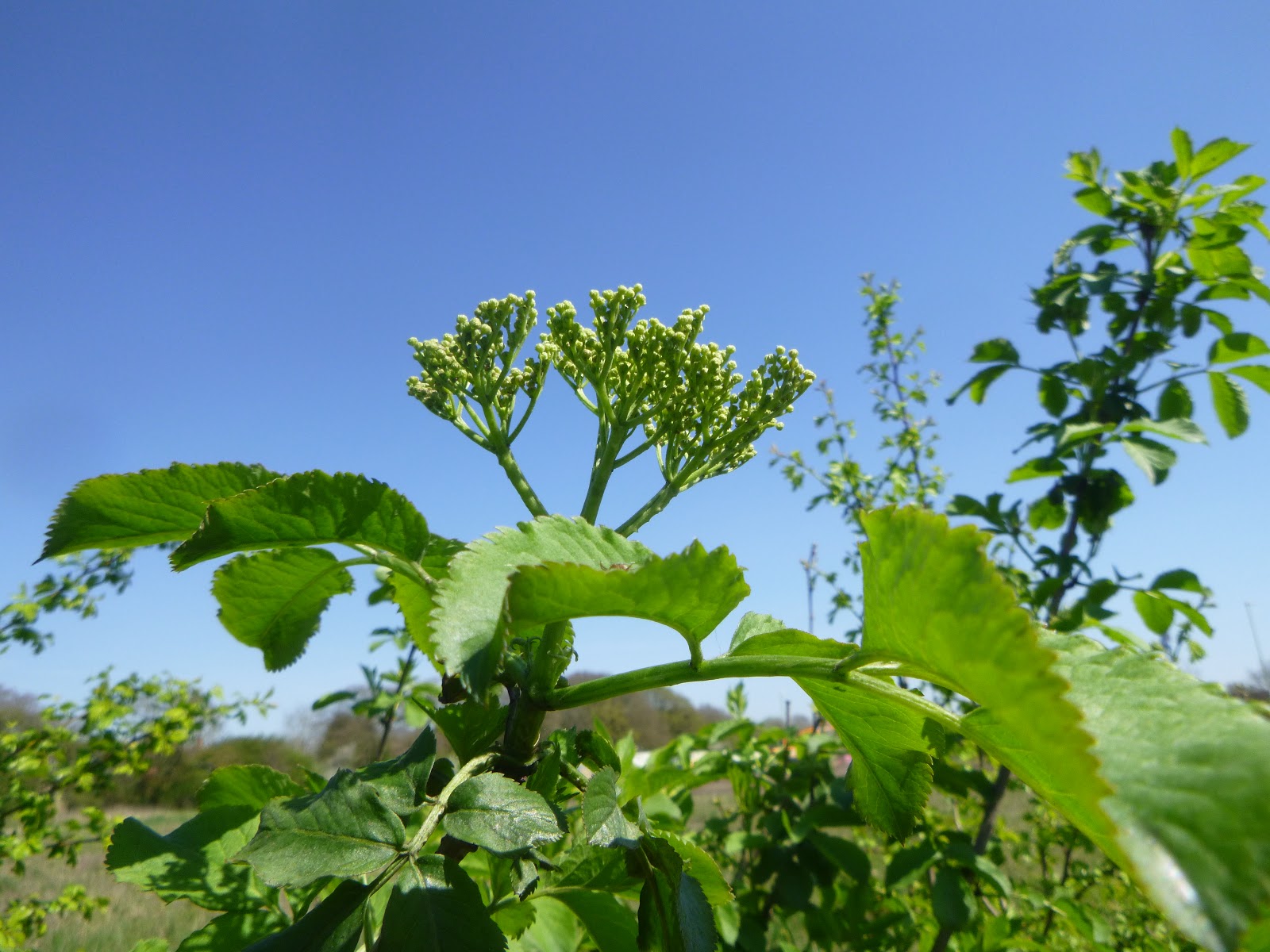
Elder, buds breaking through already, getting ready to begin flowering any day soon.


Thursday, 29 March 2018

the Wight Stuff

Snow does not settle very often in Southampton, due to our proximity to the coast and possibly the extra geothermal energy that is used to generate heat for some parts of the city. However, the storm dubbed the Beast from the East did its best, closing many schools and roads. This left children free to sledge down the steepest hills and fill each others clothes with the freezing white stuff. Lovely!
It is a truth universally acknowledged, that most children will be fascinated by dinosaurs and fossils. My son has always been interested in gem stones and geodes. We visited the Isle of Wight, on a wet and windy March day, to try our hands at some amateur palaeontology. We had the added advantage of a brilliant guide from the Island Gems company.
Felicity, our guide, informed us about the unique geology of this part of the coast and then told us what we should look out for. The weather did not dampen out enjoyment one jot, and or the next two hours we wandered the beach, collecting interesting finds and checking them with Felicity. 
We found fossilised wood embedded with glittering Fool's Gold, dinosaur bones, shells, fish bones, sponges and even a piece of turtle shell (all fossilised). The highlight of the tour was probably the gigantic Iguanadon foot casts that littered the beach, but we could not take these home, unlike our personal hoards of fossils and geodes.
A couple of years ago we visited the Oceanography open day last year, where we met some friends of the forager, who had visited the Agglestone after reading about it here and they kindly directed us to a beach on the Island that is known for these sparkling gems. We did not have time to reach it this time, we had to visit a model village, but we will be returning with tents and hammers later this year.

Thursday, 21 April 2016

Cherry Blossom and Bluebells

The transition from Winter to Spring this year has seemed indistinct and largely unimpressive. It has been relatively warm and very stormy and this has affected the timing of flowering plants but the thing that really matters now, is that it's warm enough for me to be wearing shorts again.
Blackthorn Blossom Fizzing in the Hedgerows
Bluebells are flooding the woodlands, like some kind of alchemical spell, and the trees are bursting magisterially into their full leafy green grandeur. We took a wonderful walk up on Farley Mount, to see the equine monument there. The pyramid/rocket shaped tribute is supposedly built on top of a Bronze age tumulus, there are several in the vicinity. 
This area is a fabulous spot for a spring picnic - skylarks sing aloft and swallows swoop over the fields below. On a clear day, you can see all the way to the Isle of Wight and easily identify Southampton docks and the New Forest.
As we ate our sandwiches my daughter noticed something closer by, a tiny lizard had popped out to sunbathe, right by our feet. We explored further, into the delightful Parnholt Wood, where the Bluebells are in full spate and searched for an ancient bowl barrow that a friend had told me about.
Cherry bloom is now flowering along the bare spindly branches everywhere and the Apple & Pear blossom is starting to appear too. Naturally, you will need to check back in a month or so to ensure that the flowers are turning into immature fruit and this is one of the reasons that I favour tree spotting on my regular routes. 
If you examine the Falling Fruit map, you will notice an abundance of locations about my home town of Southampton, as well as around my work places of Hedge End and Segensworth, where I habitually walk during my lunch hours.
Look Closely in this Puddle
Now is the perfect time to spot where those secret fruit trees have been hiding and we will be leading some local blossom walks soon, so check back regularly for details, which are very likely to be at short notice.

Friday, 29 January 2016

Blossom Sequence Mnemonic Competition

Now, there's a post title I didn't imagine ever writing, but you will be pleased to hear that there is a good reason for it. When Spring arrives, we always use blossom in the trees to help us easily locate and identify fruit trees. We then check back later to look for signs of maturing fruit.

To help remember the sequence that fruit trees bloom in we designed an acronym PBCAP (Plum, Blackthorn, Cherry, Apple, and Pear) Plum normally flowers around March (I have seen Plum blossom in January this year), the others follow in quick succession. The fruit of the Blackthorn is the Sloe so the B could be replaced with an S.
We remember this by using a mnemonic Perceived Blossom Calculates Abundant Produce but this is unwieldy. If you can think of a better one, send it in or write your comments below, the composer of the best will be duly announced and the lucky winner will receive a free copy of our beautiful book, the Urbane Forager: Fruit and Nuts for Free.
As a footnote I will remind readers that a mnemonic does not need to have anything to do with the subject matter, it only needs to be memorable. Richard Of York Fought Battle In Vain is a popular example for recalling colours of the rainbow or Naughty Elephants Spray Water for children learning the compass. So we could have Panthers Black Creep And Pounce or whatever