| Blackberries Ripe and Early |
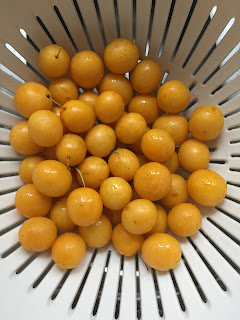
| Ripe Plums |
| Hazel Tree |
| Hazelnuts (Early but Still Unripe) |
| Competition with Squirrels |
| Mulberry Tree |
| Delicious Mulberries |
| What are These Mysterious Tentacles? |
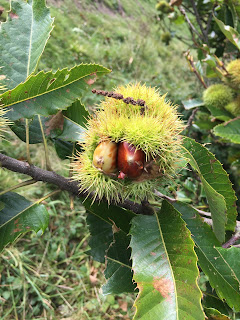
| Sweet Chestnut Tree |
The fun and healthy family foraging activity of identifying fruit and nut trees on local public land, locating them on a map and then picking, eating, processing and preserving the produce.
| Blackberries Ripe and Early |
| Ripe Plums |
| Hazel Tree |
| Hazelnuts (Early but Still Unripe) |
| Competition with Squirrels |
| Mulberry Tree |
| Delicious Mulberries |
| What are These Mysterious Tentacles? |
| Sweet Chestnut Tree |
![]() |
| The Peoples Emergency Briefing |
The prestigious British Science Festival is an annual event and this September it will be hosted by the University of Southampton.
![]() |
| Headsets not Reality |
There will be many exciting events and free workshops over the week, the most stimulating of all will naturally be the Urbane Forager project workshop.
![]() |
| The Urbane Forager - hunting Apples |
Discover the hidden abundance growing all around us with the Urbane Fruit Project. Take time to taste, explore, and rethink the ecology of Southampton city.
| Must be Nuts |
‘The Urbane Forager’, Alan Gibson (University of Southampton) uncovers how foraging can transform the way you see your city. Come for a short walk on the common with Alan and lay bare the different types of fruit and nuts that grow at the end of your road. Learn how to identify them (if you want to download and bring the free "seasonal tree id sheets", that will be helpful). Then we can pick and eat something tasty and finally, see how our locally gathered produce can be turned into the most delicious juice you can drink.
I hope to meet you there, in person, on the day.
![]() |
| Alan Gibson aka the Urbane Forager |
The workshop is free, but tickets will be limited, so add the date to your diary, and book early if you want a place.
Thursday 17 September
The workshop runs from 15.00 - 16.30
Turner Sims foyer Building (52). Turner Sims is normally famous for the joy of live music.
![]() |
| Beetroot, Pear and Walnut Salad |
My wife made a deliciously zingy and very healthy salad, using Beetroot, Pear and Walnut, she also added thinly sliced Turnip, Avocado, crisp Watercress and leaves of Jack by the hedge (Garlic Mustard), from the garden. I supplied the Walnuts and added some Hazelnuts for fun; these nuts were gathered last year during October and September, they keep very well in cool, dry conditions. Apples will also last throughout the Winter, if you store them well.
![]() |
| Walnuts and Hazelnuts |
The recent heatwave has kept me out of the midday sun and I decided it was high time to pick the Elderflowers that I have been planning to make champagne with. I got on my bike before it got too hot and cycled over to the local park, beside the river. I got a heady citrus waft off the flowers, as I approached from downwind. I filled my bag in a matter of minutes, getting covered in yellow pollen in the process.
![]() |
| Elder Tree in Flower |
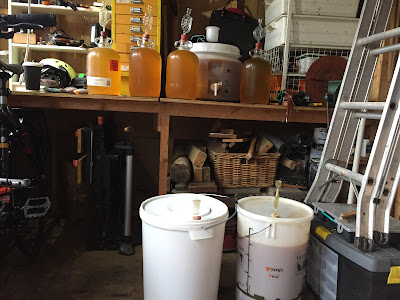
The other simple ingredients are Water, Lemons, Sugar, and a dash of White Wine Vinegar. By the time you have this little lot mixed together in a bucket, the kitchen smells terrific and gives you a strong taste of things to come. It is left (covered) in the bucket for 2 days, then the debris is filtered out and the liquid transferred into demijohns for fermentation.
![]() |
| Ready for Fermentation |
After a couple of weeks the fermentation should have slowed down enough for bottling in Pressure Safe Bottles - but a word of caution... If fermentation continues too much under pressure, you might, at best, lose half of your lovely Elderflower Champagne all over the room you open it in. Far more dangerous, would be exploding glass bottles, so please, do keep a regular eye on anything you have bottled and always use suitable Pressure Safe Bottles!
| Green Cherries |
Ongoing observations include, keeping your eyes pealed for immature fruit. If you have identified a likely tree by its blossom, revisit it later, to see if any young fruits are developing. I have already seen young Plums, green Cherries, and tiny Apples and Pears; regular checking will keep you in tune with seasonal developments and ensure you are ready as fruit ripens. I recently noticed Fennel growing out of pavements in the city.
| Fennel |
| Nasturtium |
One of Springs unexpected delights is the sight of Catkins, caught in sunlight, hanging in a hedgerow or dappled woodland, like golden rain. Catkins are tree flowers, commonly a Hazel tree, so later, around September there will be Hazel nuts to gather here.
The 2026 vernal equinox occurs on March 20, marking the start of spring in the Northern Hemisphere. Equinox means equal periods of night-time and daylight; the tilt of the earth also brings us closer to the sun. We get longer hours of warmer sunlight up until the Summer solstice. Nature adapts according to the increase in temperature and the dwindling hours of night.
Plumb Blossom
One of my favourite and most apparent signs of Spring is the sudden blossoming of Plum trees and the related Blackthorn. Plum trees in city gardens and roadsides are suddenly filled with dramatic shows of creamy white flowers. The blossom also has a distinctive smell, which reminds me of marzipan (made from almonds, and also related), you can even taste it in a plum flower. One of my long time hobbies is the Chinese martial art of Wing Chun and this name translates as "Beautiful Springtime" and the plum blossom is a related symbol. The key thing with plum blossom is remembering where it is, plums in many varieties and colours could be there later in the season. Blackthorn, which is more common in countryside hedgerows, will supply us with Sloes later in Autumn, allowing us to prepare everyone's favourite Xmas liquor, Sloe Gin.
Another tree that flowers in urban gardens at this time of year, is the stunning Magnolia, their big blousy flowers are showy but also eminently edible, giving a distinctive tase of ginger. There are lots of different Magnolia recipes including various teas and biscuits.
Less showy but just as tasty plants that appear in abundance in Spring include Wild Garlic and Ransoms, which you normally smell before you see them, typically covering woodland banks or in damp hedges the leaves and flowers can be used in many cooking applications including salads, pesto or just for added flavour in a meal.
Alexanders are an often missed Spring hedgerow gem. Tasting akin and related to the carrot family, it has edible leaves and flowers. The delicious flowers can be fried in batter, the leaves can be fried in butter with wild garlic, a tasty supplement to any meal. A word of caution, you need to be very careful with plant identification, if you are unsure, don't pick it. Several very common but extremely poisonous plants (Hemlock and water Hemlock Dropwort spring to mind), can look very similar to the untrained eye. I spent a year observing the differences, through the seasons, before venturing into eating these plants.
Beautiful Springtime
Every year (normally at the back
of January/February), after I realise the days have got a little bit longer,
there comes a day when I feel the warmth of the sunshine on my face. This year
I happened to be sitting on a Barbra Hepworth sculpture, eating my lunch. There
was a break in the clouds, the sun had clambered high enough to heat my
skin.
At moments like these, I
sometimes reflect on our distant ancestors worshiping that golden orb and
ponder why they dragged those monolithic rocks across the countryside, to
create calendars on their landscapes. We cannot understand their mindset, which
is part of the beauty and mystery of these unknowable monuments. However, with
careful observation we can see a natural calendar in the seasons of plants,
trees and weather.
The ground was muddy and saturated
du to recent heavy rainstorms. I had noticed that crocuses had flowered under
a large oak tree and fresh daisies were tracking sun’s light. Other plants were
beginning to send forth green shoots to compete for energy in the form of
sunlight.
Interestingly, plants don’t wait until
the days get longer, they count the nights getting shorter, combined with a
subtle shift in temperature and the fact that there has been a steady period of
cold temperatures. During last Autumn, some people reported detecting a “Second Spring” (trees
and plants flowering unseasonably for a second time), but plants are
opportunistic and will take any chance send out extra seeds to improve their
chance of colonising.
Climate scientists have consistently warned about the effects humans are having on the Earth. Warmer wetter winters combined with hotter drier summers, with more droughts and flooding have long been predicted as a result of human induced climate warming. Now gardeners and other people who enjoy nature, are starting to notice subtle shifts in the seasons, and understanding the difference between climate and weather.
Albion, a Spring Song for Blighted Briton by, The Garden Wall. Enjoy!
You might even notice that the songbirds have started to sing, shouting out to rivals to demonstrate their territory.
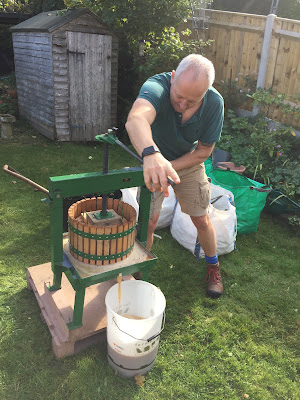
| The Delicious Juice begins to Pour |
| Quite a Lot of Cider! |
We Live in Interesting Times, Still!
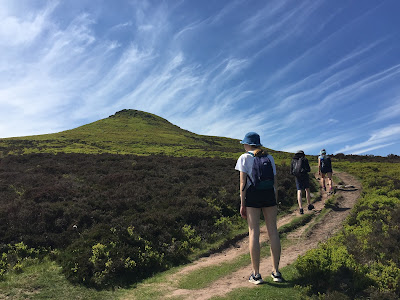
We still take lots of lovely walks; the Devil's jumps' are a series of Bronze Age burial mounds, on the South Downs. They align with the setting sun at Midsummer (if it's not too cloudy). So, this was my Father's day walk/picnic.
In the normal order of things we began collecting
Elderflowers as soon as they arrived, the season tends to be short-lived, so we
got out of the traps early, when the weather was suitable. I have made extra
Elderflower Champagne this year (4 gallons), because we always run out. Two of
these gallons are an experimental batch with an added tint of raspberries,
which I think sounds very tasty. Only time will tell.
My friend Matthew also joined us picking Elderflowers too. Matt makes really good
beer, and following my attempts last February, we collected a good crop of nettles and he produced a lovely strong & smoky ale. Next he wanted to try
an Elderflower Ale.
I am looking forward to doing some work with the Scouts and other groups and hoping to organise some public foraging trips, to promote the Southampton parks, in the late Summer or early Autumn. Who knows?, we may even be able to run our traditional Apple Day in October.