Showing posts with label homebrew. Show all posts

Thursday, 14 January 2016

11¾ things to do before you're 50

This blog tends to focus on family activities, but that's because we have children. Obviously, there's no reason why singletons and couples cannot enjoy all the things we do too. Every now and then I think, why should the kids have all the fun? What about the hard working adults? Clearly, they deserve to enjoy themselves too.
With this in mind, I thought I would publish the Urbane Forager's guide to the 11¾ things to do before you're 50! Needless to say, you can still do them if you are older than 50.
For any children reading this, the before you're 50 bit means that you can help your parent's in the identification, mapping, picking and preparation of these various concoctions, the alchemy of fermentation is a fascinating science lesson. However, you should not try drinking alcohol until you are old enough; you would most likely think it tasted horrible anyway.
1. Notice the first blossom of the year in the hedgerows, this will be the Blackthorn (Sloes) and Plum trees, remember where it is and add the locations to the Falling Fruit map. Check back later to pick the fruit. Plums ripen around June/July but you will need to be much more patient with the Sloes.
2. Make Elderflower Champagne, cordial is a big favourite for the children too. The Elder bushes herald the onset of Summer around May/June, depending on global warming. Remember to use pressure-safe bottles! Also, remember where the bushes are and return later in the Summer for Elderberries.
3. Pick and eat Cherries straight off a tree. What could be better? Spot the Cherry blossom when it arrives after the Plum and Blackthorn, record the location on the Falling Fruit map. Cherries will be the first fruit to ripen in the UK and you will need to be quick because the birds like them too!

4. Observe Apple and Pear blossom while the Cherry blossom is turning into immature fruit. Note the locations on the Falling fruit map (can you detect a theme building here?). Nothing beats climbing up and picking Apples fresh from the trees; they obviously make the most delicious and healthy snacks and will keep for months. You can also press the apples into  the best tasting juice or turn it into gallons of cider for virtually no cost whatsoever.
5. Have a competition to see who can pick the most Blackberries. Blackberries grow almost everywhere but it's nice to get out of the city if you can. Everyone can stuff there juice smeared faces with fabulous fruit and when you return you can freeze the remainder or use them to make fantastic vodka and gin based liquors, fabulous to break out later on after a Summer BBQ.

6. Find a Mulberry tree, if you cannot find one, plant one. I try not to tell anyone where my favourite Mulberry trees are; it's good to keep some tree locations secret. The kids go crazy over this sweet sticky fruit and I always Mulberry Gin (can you see another theme developing) along with various puddings. I still have some in the freezer...

7. Make Elderberry wine. The berries will be abundant around August and making this archaic and intoxicating brew is a very simple and satisfying process; you can watch it bubbling away and then save it until it matures. I always use some to make bottles Mulled wine around Christmas, always a good thing to take to parties, along with the mince pies.
8. Find a Walnut tree; there's bound to be some somewhere in your vicinity. Walnuts ripen along with Hazelnuts around September but you can pick exotic smelling Green Walnuts earlier (in June) if you want to try pickling, making Schnapps or Vin de Noix.

9. Gather a great load of big, fat Chestnuts and roast them over a fire, we use a BBQ or chimenia because of our small garden. It's a great way to warm up and celebrate Autumn. Also roast Chestnuts make an ideal accompaniment to fireworks on Guy Fawkes Night. Don't forget to prick them first!

10. Make Sloe Gin. A very simple process, resulting in a fantastically plummy tasting liquor that is just the ticket for those chilly, dark Winter nights and also make the perfect Christmas gift for family and friends.
11. Bring the love into your house! Find and cut a big bunch of Mistletoe. Actually, it is easy to find and more complicated/dangerous to collect but with a little ingenuity and improvisation it is possible. Your loved ones will hopefully be delighted and you can give some to friends and neighbours too.

¾. Upcycle the left-over gin-soaked Sloes that you used to make your Sloe gin (10) use some to spice up your Mulled Elderberry (7) wine or to include in your home-made Christmas Plum (1) pudding.

Saturday, 1 December 2012

Delightful (Home-Made) Drinks

The British Government has made a proposal for minimum unit prices on alcohol. This legislation is not about abstinence but is designed to turn the tide on the reckless drinking culture that exists in some groups of people, for health reasons. Although this regulation is not designed to punish responsible drinkers, a new era of prohibition might persuade more people to try home brewing and start making their own country wines.
I have experimented, with making my own wine, beer and cider for many years; like a young boy with a chemistry set, I relish the alchemy of it all. So, I thought it would be useful to create a simple guide here, to show how easy it is to accomplish and also how entertaining it can be.
Cost-wise, there are obvious clear savings to be made; a basic starter kit is inexpensive and much of it can be found for free or will be available from your local recycling centre / Freecycle site. Always make sure all equipment is Food Safe.
Essential Kit List...
You may want to buy an inexpensive hydrometer, although this is not actually necessary, it does give you more control over the flavour and alcoholic content of your hooch.
A full demijohn will produce one gallon of wine, which amounts to about six bottles. However, as with home baking, producing your own drinks is not only about saving money, I simply enjoy the process. You will be unlikely to create something that tastes exactly the same as what is available in the shops but this is part of the fun. As well as being exciting, wine making is also easy, recipes and advice are readily available all over the internet, I tend to rely on the spirit of adventure as much as heavily stained archaic books.
Your friends and family may playfully mock your endeavours - mine do - but you can guess what I’m going to give them for Xmas!
Always Drink Responsibly J
Some strange and interesting drinks we have made are listed below...

Friday, 16 November 2012

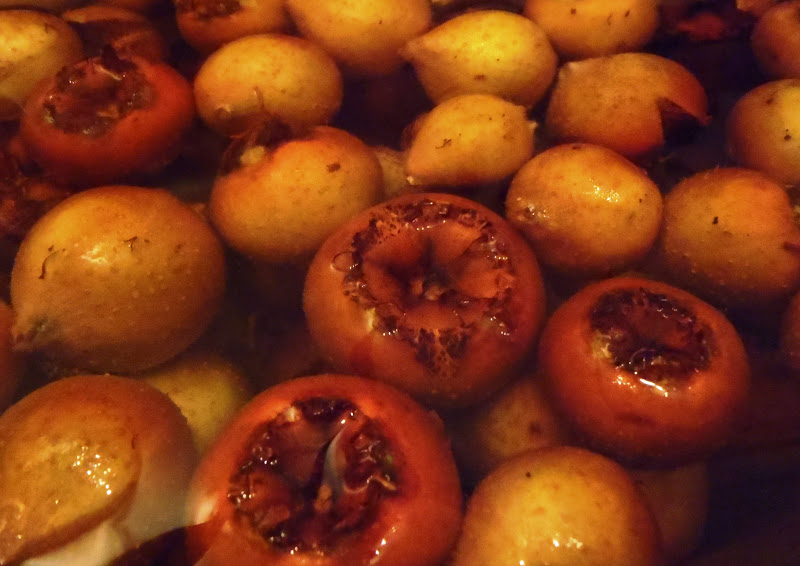
Mystic Medlar Wine

When I initially sliced the medlars and put them into my bucket, I was not at all sure that things would turn out well. This was at least in part because these curious fruits are not especially pleasing to the eye but also the smell reminded me of tasting a freshly picked one; YUCK!
However, after 5 days soaking in water with half the sugar added, the juice smelt quite tasty; although it still looked distinctly unappealing. I skimmed off the brown fruit pulp and then strained the murky liquid through a jelly bag.
The resultant juice now magically changed colour, turning a soft pastel yellow. In the interest of science, I tasted some - it was pearesque and quite delicious; I swear you could have bottled and sold it just as it was.
I was here to make wine though, so I added the remaining sugar and the yeast and decanted it into a demijohn. Within a couple of hours the pale and interesting medlar wine was bubbling away enthusiastically next to the unpretentious crab apple.

Friday, 21 October 2011

Winter Warmers

Zesty Orange and Lemon
Now that it is starting to feel cold at night, I thought it might be a good idea to start making some Winter Warming Wines. I started off with an old favourite flavour of mine, Ginger. Not much foraging involved with this entry but the spirit is just the same.
Must Get A Lemon Squeezer Geezer
After pealing the zest off two oranges, two lemons the house was soon humming with exotic aromas and this was soon added to by my boiling the bruised and battered ginger in water and Demerara sugar.
Add the Rasins and Zest
I have made ginger wine before and it was very successful but I always feel a little bit mean when I smash the ginger root – I grew one once and it had lovely delicate leaves. I used the Head Chef’s stone pestle to prepare this.
Sorry!
We do not have a lemon squeezer apparently, so I cut the remaining skin off the fruit and sliced them into the mixture, this looked as agreeable as it smelled and I then proceeded to crush the juice out with my bare hands.
Smelling Rather Nice Now
In a dangerous manoeuvre I combined the boiling hot liquid with the fruity juice in a bucket and left it to cool down. When the mixture was luke-warm, I added the previously activated yeast and left it to ferment.
Fermenting Away Nicely
It is now bubbling away like a witches brew in my airing cupboard.

I might also try Rhubarb Wine, if I can collect enough from the garden…

Monday, 19 September 2011

Apple Avalanche Leads To Cider Tsunami

All those lovely apples, which are hanging off the trees at this time of year, need to be picked over the next month and stored away in your sheds and outhouses. They will keep for several months if wrapped in newspaper or otherwise prevented from touching each other.

Uncle Lozzer - Chief Chopper

I’m fortunate enough to have an old Apple Store, which is a kind of skeleton chest of drawers. My son and I eat a lot of apples but we do not intend to be buying any from the shops this year; this year’s harvest should see us through to about March with any luck.
  
Chopped Apples Ready For Smashing

There are still lots of apple trees laden with ripe fruit though and if we do not use them, they will only go to waste. It makes perfect sense to crop now and make good use of fruit in any way we can; making cider out of apple juice preserves it very well and it is a very satisfying process…

Children Crushing The Pre-Chopped Fruit - Hard Work But Fun

It is also a very simple process but this does not mean that there is no hard work to be done; I had set an ambitious target of Five Gallons of Juice because that is the capacity of my barrels. So we needed to process about 50-60Kgs (3 builders bucketsful) of apples and that is an awful lot of chopping, smashing and pressing.

Actually, This Looks/Tastes More Interesting

Fortunately, I had the help of my two enthusiastic children, who enjoy smashing things anyway and love apple juice. Their Uncle Loz was on hand to lend essential extra muscle and to expertly wield the very sharp knife.

Darn Those Pesky Kids, I know I'm Going To Ache Tomorrow

After a fairly short while of pulping the apples, the children tired and became more interested in the cider press and the nectar running out of it. So I took over duties on the timber while Loz continued to chop the relentless supply of fruit.

The Juice Begins To Flow, Even Before Pressing

It is very exciting when the juice starts to flow and it tastes far better than anything you can get in the shops. But, when you see the first couple of centimetres at the bottom of the bucket, you begin to realise just how far you still have to go.

Pure Nectar!

Rain nearly stopped play halfway through, due to a sudden violent storm and the weather probably added a couple of centimetres to the mix and I think the drink will have to be called Thunder and Lightning Cider now .

Messy, Tasty, Hard-Work and Fun
I was exhausted by the time we reached our mark and aching from every muscle and sinew; I didn’t weigh that length of wood but I lifted it thousands of times. I still have another 5 Gallon barrel to fill, so next time we may just need to recruit an extra couple of able-bodied volunteers. Don't all rush at once...
The Turn of the Screw - Go-Girl, Put Your Back Into It

Here then, is the Urbane Forager’s Guide to the Cider Press…

·         Pick apples – a mixture of varieties is best to begin with.
·         Wash apples - bung a Campden tablet or two in the bucket first.
·         Chop apples – removing any bad bits (no need to peel or core).
·         Smash apples - into pulp using a piece of timber.
·         Press Pulp - into juice.
o   Add teaspoon of Pectinase (optional but helps clearing).
o   Kill natural yeast – add cider yeast (optional but less risky).
o   Add sugar (not required, unless you want to make alcohol content stronger).
·         Ferment juice in a covered bucket.
·         Transfer cider into a suitable barrel or bottle and allow to settle.
·         Drink!
o   Wassailing (you really should thank the trees that supplied your apples and it’s always provident to obey arcane wisdom and folklore where cider is concerned).

Take Cover and Make Sure Those Children Are Well Earthed


Wednesday, 14 September 2011

Elderberry Port

The Elder tree has long been associated with pagan traditions, witchcraft and folklore; the most auspicious time to encounter faeries is said to be under an elder bush on Midsummer's Eve! 
A Bucketful of Elderberries
Elder Flowers traditionally herald the onset of spring; we celebrated their emergence by using them to make elderflower cordial and champagne.
Fork Off!
Elder berries ripen in late summer/autumn and they can be used for making all kinds of produce. As it happened, I had a spare demijohn in the kitchen so we decided to make Elderberry Port.
Hubble Bubble Boil and Trouble 
This rich and strong wine is reputed to have curative powers; taken hot at night it is said to help prevent the early stages of a cold or sore throat. This is apparently caused by viburnic acid contained in the berries, which can induce perspiration. However, I won’t be able to testify to any of these effects until it’s finished fermenting; something that it is currently doing very enthusiastically.

Steamy Stuff...
These berries were picked from the same bushes that we obtained the flowers from in spring and this is one good reason not to over-pick the flower heads; we gathered a bucket full. On our return to base, I combed the berries from the stalks using a fork and then poured a gallon of boiling water over them.
An Intoxicating Brew
At this point all the unripe/green berries seemed to float magically to the surface, which was handy, so I skimmed these off as a precaution before proceeding with the recipe and creating a mess that looked like a scene from Dante’s hell.
Murder She Wrote!
Although the kitchen soon began to resemble the insides of a witch’s cauldron  the smell was deep, dark and quite enchanting and once the mixture had cooled to a more earthly temperature, I added sugar and the activated yeast. It was soon bubbling away furiously and looking suitably demonic once more.
The Urbane Forager's "Wine Cellar"
The following week, I added blackberry wine to my cannon of Urbane Forager Country Wines and now I must get the butler to put them in the cellar and then wait, and wait, and wait… In the meantime though, I will be converting some of my apples into Urbane Forager’s Cider, which should hopefully be ready to be mulled in time for Halloween!

Wednesday, 17 August 2011

Cherry Plum Wine

4lb. Plums
10cm Root Ginger
4 Cloves
1 lemon sliced
1 Gallon water
3lb. Sugar
Yeast

I used the cherry plums that I had previously frozen – there just happened to be approximately the right amount. I’m pretty confident that wine making, like cookery, is not an exact science, despite what some celebrity chefs would have us believe and this makes it much more exciting. If the plums have been previously frozen, this also helps to break down the fruit and release the juice. If you are using fresh fruit you will need to cut and stone the plums before continuing.

Now I Feel a Lot Better...
Bash the ginger with a rolling pin to release the flavour (and any residual stress left over from your day at work), add it to the plums with the cloves and sliced lemon. Boil the water, pour it over the mixture and stir. The boiling water will kill off any stress, which is now contained in the mixture; you can relax now and soak up the fantastic aroma.

A Lovely Smell and Colour
Cover loosely and leave for two or three days, stirring twice daily with a wooden spoon. I also added a teaspoon of Pectinase at this point, to help reduce cloudiness later. Strain the mixture through a jelly bag (a couple of layers of muslin or an old tea towel will do equally well), do not squeeze – be patient and allow it to drip.

And Wait...
Stir in the sugar until it is all dissolved and when the liquid is lukewarm add the (previously activated) yeast. Pour into a fermentation jar and insert an air lock. Then leave it to ferment to finish in a warm place.


Syphon off into bottles or a storage jar and cork.
Country wines will improve over time (apparently), although they can taste drinkable fairly soon after bottling. Even if your wine tastes great at first, it can be worth asking your beverage butler to set a few well labelled bottles aside in the wine cellar (kitchen cupboard/box-under-the-stairs/outhouse/shed etc.).
Cherry Plum Yum Yum Yum