After our success at the British Science Festival, I was invited to lead a foraging walk through the Southampton Central Parks. Southampton city is rightly famous for its numerous green spaces, central parks and the common, as well as its more famous connections with historic ships, Mayflower and the tragic Titanic (the Saints football club and University deserve a shout too).
 |
| Sweet Gum (Liquid Amber) |
I knew this event would be challenging, partly because it was late October but I also knew there was not many seasonal fruit trees on the route. I was going to have to stretch both my knowledge, imagination and definition, for this activity. I did a quick walk through the week before and the results were surprising.
 |
| Rowan (Mountain Ash) |
On the day, the weather was fine, Saints were playing at home, and after a brisk walk, I arrived on time, hot but energised. There was a diverse group of enthusiastic people waiting, with a handful of very helpful volunteers. We duly set off to examine the trees in the first park, Hoglands.
 |
| Gingko Leaves, Walnuts and Beach nuts |
We started with the beautiful autumnal Maple trees and talked about
tapping sap for making maple syrup, then we found some Rowan trees and
discussed how to make jelly or preserves from the bright orange berries. The
children found Horse Chestnuts (Conkers) and acorns from Oak trees. Then we
found Beech nuts and talked about how these can be processed and eaten. I also suggested the children could explore the Speakers Corner and tell people what they
thought.
 |
| Plenty of Walnuts |
People of all ages were gathering collections of colourful
autumnal leaves when we spotted our first Walnut, in Houndwell park. Much to people's surprise, we eventually found ten Walnut trees! We also examined a Gingkotree, also known as living fossils, because petrified specimens can be found.
This tree is not normally edible, although some people make tea from the leaves, but a very interesting tree to discuss and appreciate its distinct, fan shaped leaves.
 |
| Strawberry Tree Fruits |
In Palmerston Park we discovered wild Cherry and Plum trees,
as well as Magnolia. Magnolia flowers can be eaten or cooked with, and have
a ginger flavour. We found Pear trees, but the fruits were the tiny Canicular
ornamental variety. There was also a suitably multi-coloured Sweet Gum (Liquid
Amber), where chewing Gum originated from. This tree looked spectacular in
the slanting sunlight, we found more of these autumnal beauties later.
 |
| Sweet Gum Leaves |
In East Park we found more Magnolia, Plum, Apple, Walnut,
and Sweet Gum trees. We also found three Cork trees, the bark of which was
traditionally used to create corks (!) and other cork products. Here, we noted
several large trees had fallen in the recent gales, many trees had been
seriously stressed by the unusually hot summer and prolonged drought.
Finally,
we crossed over the High Street to West or Watts Park, there we found a Mulberry tree, which
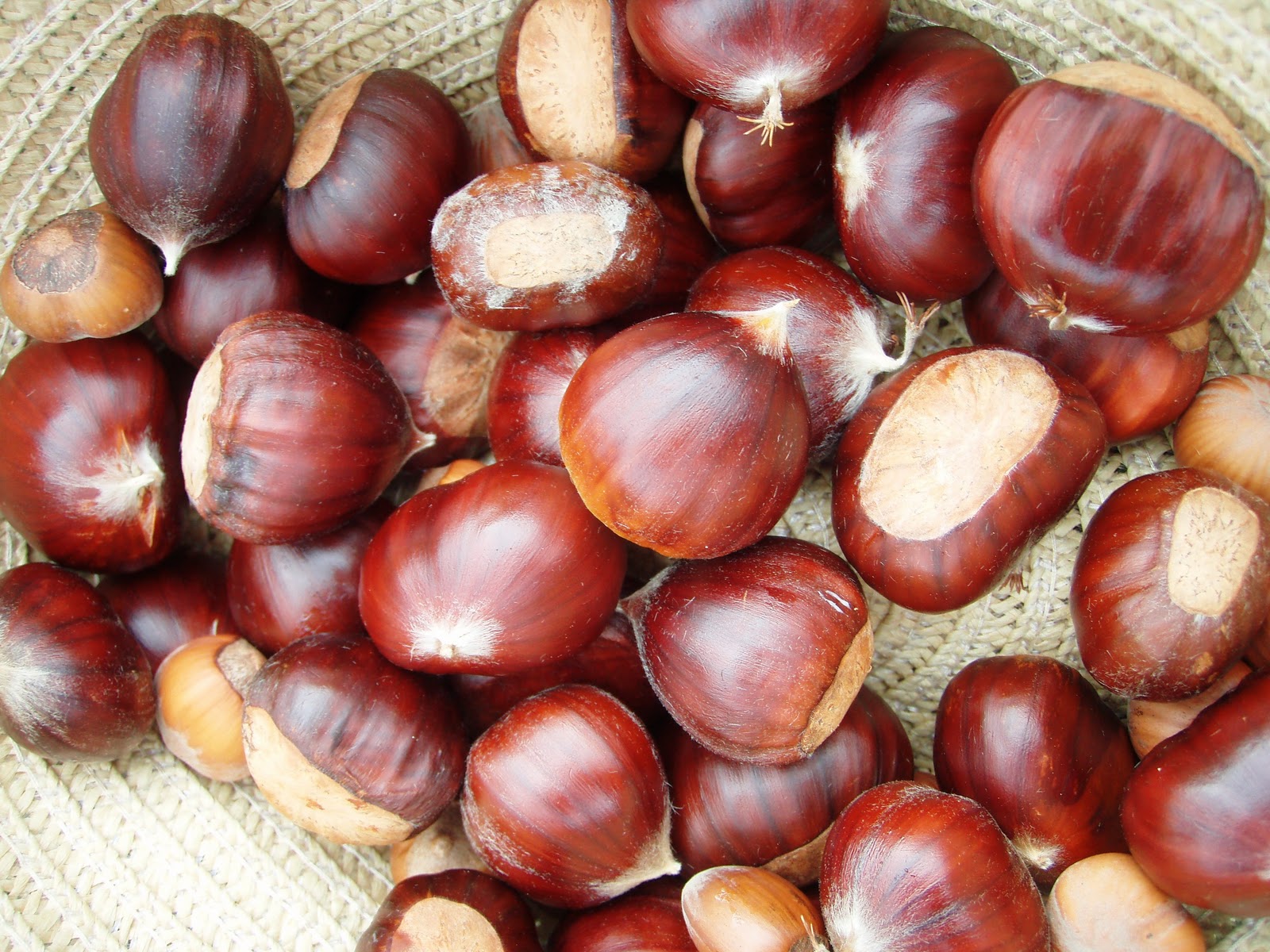
bares delicious, sweet fruits in season, and a Sweet Chestnut tree, the Chestnuts here were very small due to the drought. We also counted yet more
Walnut and Gingko trees. I finally signed off by finding two Strawberry trees. Strawberry tree fruits can be eaten but they are not as exciting as they sound or look, the taste is very bland and disappointing.